A species of bat known as the black flying fox (Pteropus alecto) carries the Hendra virus, which spreads to horses and humans.
Macropis Nuda, Oil Bee - provided by Bryan Danforth

What Can the Birds Tell Us
About the Bees? 🐝

A new publicly available Wild Bee Diversity Prediction Tool developed by Cornell Atkinson and the Cornell Lab of Ornithology uses eBird data to track and estimate the diversity of wild bees across 25+ states.

For Cornell Atkinson, the impetus for the development of the tool came in response to conversations with the Walmart Foundation, which expressed concern about declining pollinators and how it could impact the resilience and productivity of the food system.

As conservation groups aim to protect pollinators and the critical role they play in nature, this tool can help them understand where wild bees are most at risk and what actions can be taken to protect and restore wild bee populations. Individuals who want to make a difference in their own communities are encouraged to explore and utilize the tool.

Read More
 
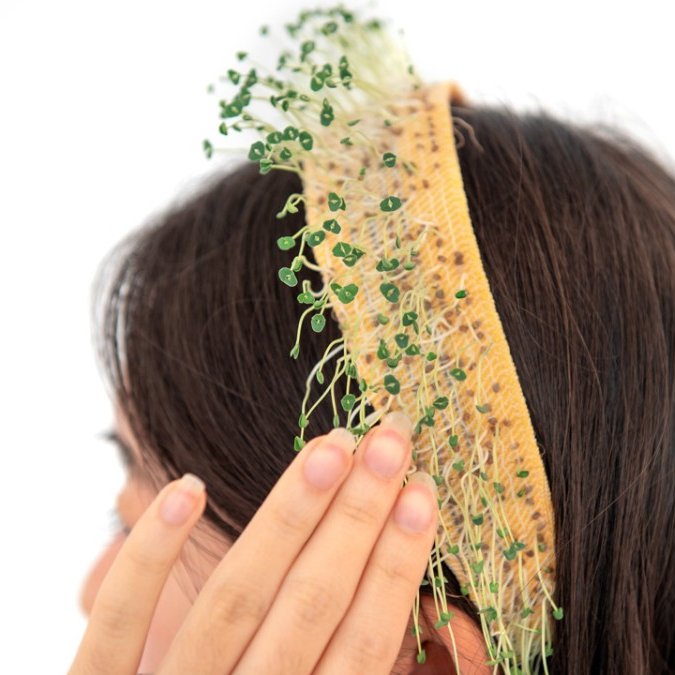
A touch-sensing hairband with embedded chia sprouts for the  LivingLoom project in Cindy (Hsin-Liu) Kao's Hybrid Body Lab

LivingLoom Weaves Seeds Into Clothing

Fellow Cindy Hsin-Liu Kao (Cornell Human Ecology) is leading a design and fabrication approach that envisions new relationships between humans and the environment. The method weaves seeds into hydrogel textiles, ultimately creating wearable items like hairbands and sandals that sprout, if properly cared for. This work is supported by a 2023 AVF Grant from Cornell Atkinson.

Read More
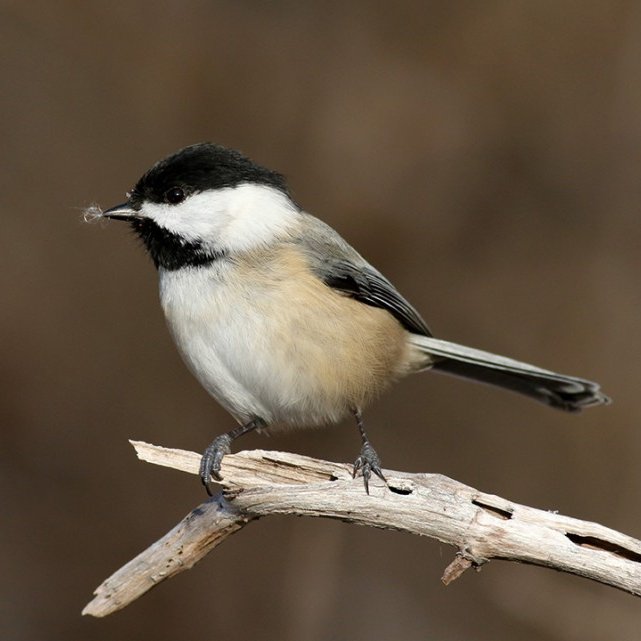
Black-capped chickadee

North American Bird Populations Suffering Severe Decline

A new groundbreaking study shows that North American bird populations are declining most severely in areas where they should be thriving. Fellows involved in the research include Amanda Rodewald, Viviana Ruiz-Gutierrez, and Daniel Fink (all Cornell CALS and Cornell Lab of Ornithology).

Read More
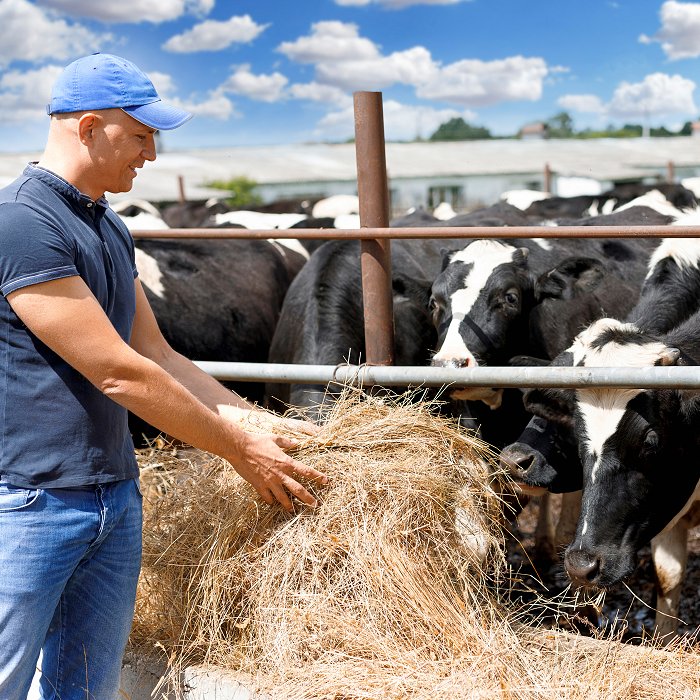
Farmer feeding hay to cows on a dairy farm

Lowering Dairy Farm Emissions With Sustainable Practices

A number of New York dairy farms achieve low greenhouse gas emissions due to sustainable management practices like growing a high proportion of their own feed and making the most of manure, according to new research led by Fellow Quirine Ketterings (Cornell CALS).

Read More
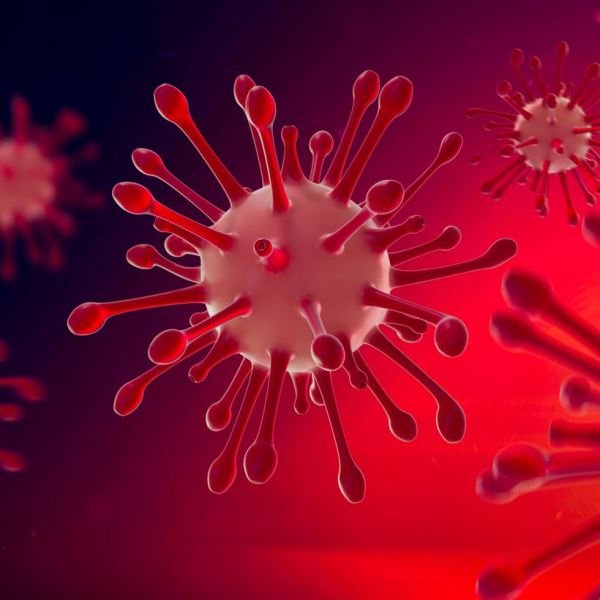
Illustration of Covid virus

Those Most Willing to Address Health Disparities Tend to Be Overlooked

Research led by Fellow Neil Lewis, Jr. (Cornell CALS) explores how historically marginalized communities that experienced health disparities during the COVID-19 pandemic were underrepresented in scientific efforts to understand the virus.

Read More
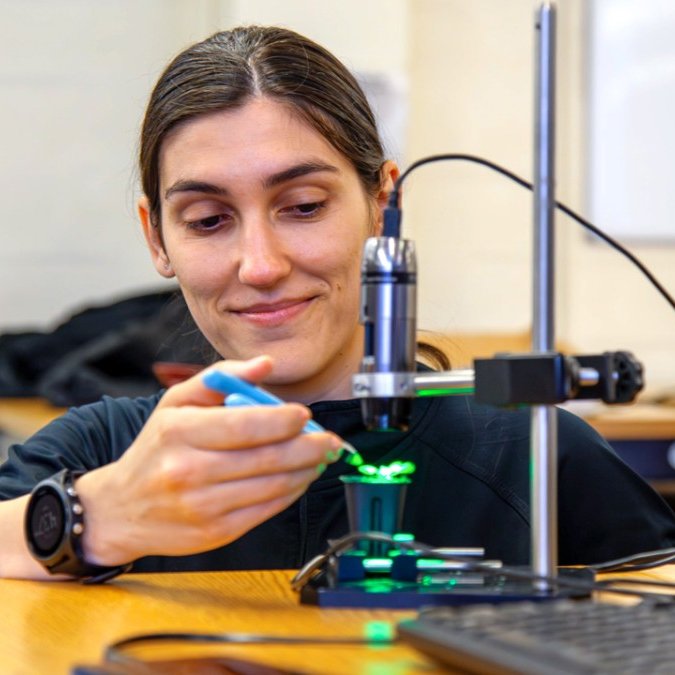
Vesna Bacheva, a postdoctoral associate in CROPPS working with Abe Stroock

Century-old Mystery of Plant Communication Solved

Research led by Fellow Abraham Stroock (Cornell Engineering) is advancing two-way communication between plants. By understanding how plants signal stress, researchers could use those signals to create plants that can communicate with people and each other.

Read More
 
Aerial photo of hydropower station in China | iStock

Is Future Abundance Possible?

How can we work towards environmental policies that build bigger, faster, and cheaper renewable energy? In the latest Director’s Blog, David Lodge, inspired by the recent book Abundance, explores how an abundance mindset (more energy, more housing) over a scarcity mindset (do less) can foster bipartisan, creative action for policies across clean energy, mass transit, high-density housing, and more.

Read More


Newsmakers

Cornell Atkinson-affiliated expertise and opinion featured in the media:

Facebook
Twitter
Instagram
LinkedIn
Email
 
GIVE NOW

Our mailing address is:
Cornell Atkinson Center for Sustainability
103 Atkinson Hall | 350 Tower Road
Cornell University
Ithaca, NY 14853

Subscribe or unsubscribe from this list.

Copyright © 2025 Cornell Atkinson Center for Sustainability, all rights reserved.