2025: Overcoming Baseless Baselines to Drive GHG Mitigation in Rice Systems (EDF)
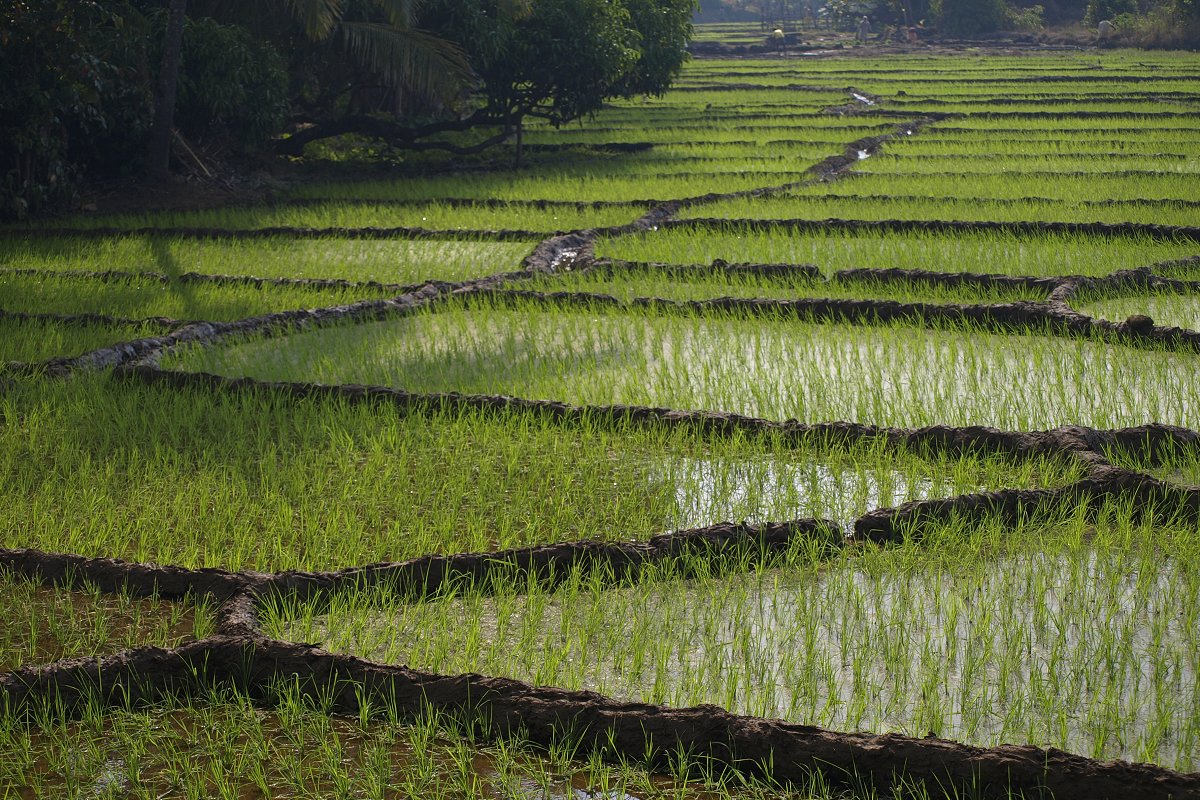
Rice growers traditionally flood their paddies to keep down weeds, but this agricultural practice creates methane, a potent climate-warming gas. India has committed to reduce its greenhouse gas emissions by 45% by 2030 and to achieve ‘net zero’ by 2070, and agrifood systems in India are responsible for more than 30% of national emissions. These factors have led to a proliferation of private capital in the voluntary carbon market for Indian agriculture, and a focus on technologies such as alternate wetting and drying in rice paddies. However, in Eastern India, diverse hydrologic conditions in farmer fields, heavy monsoon rains, and poor drainage hamper such efforts. Regional and national baseline GHG emission estimates for rice in India do not adequately capture this hydrologic diversity. The implications of poor baselines are profound: most companies and state governments are supporting ineffective interventions unresponsive to underlying baseline hydrologic conditions, often leading to a focus on the wrong rice geographies and, where GHG emissions are truly high, ineffective or inappropriate interventions. The correct prescription requires the right diagnosis. This project between Cornell University and Environmental Defense Fund researchers aims to deliver conceptual clarity on how GHG baselines differ in India’s rice belt and how mitigation solutions can be effectively matched to varied production contexts.
Cornell: Andrew McDonald and Hari Sankar Nayak (both Cornell CALS, School of Integrative Plant Science)
EDF: Alison Eagle