A Healthier, Safer Future in the Face of Wildfire Smoke
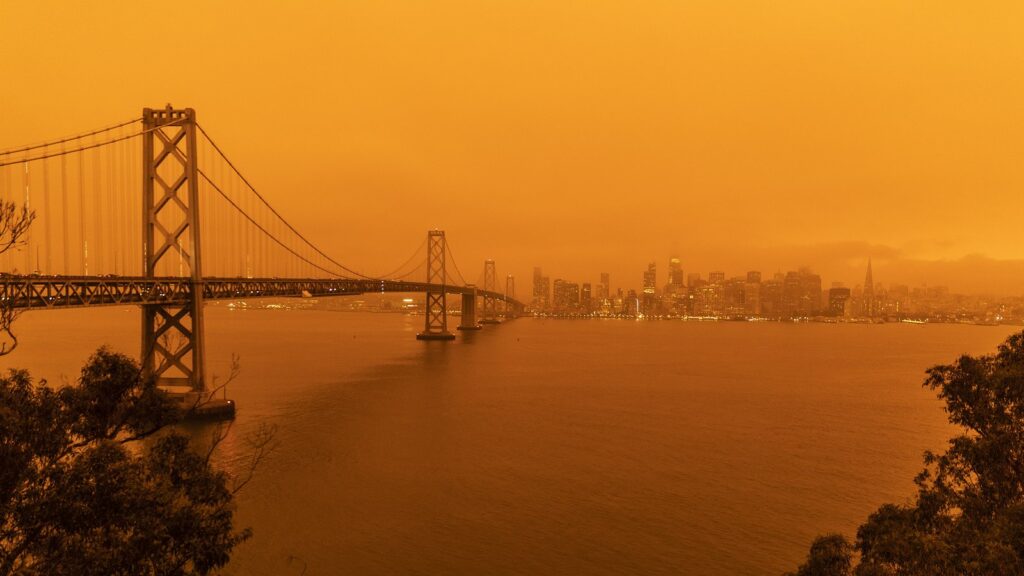
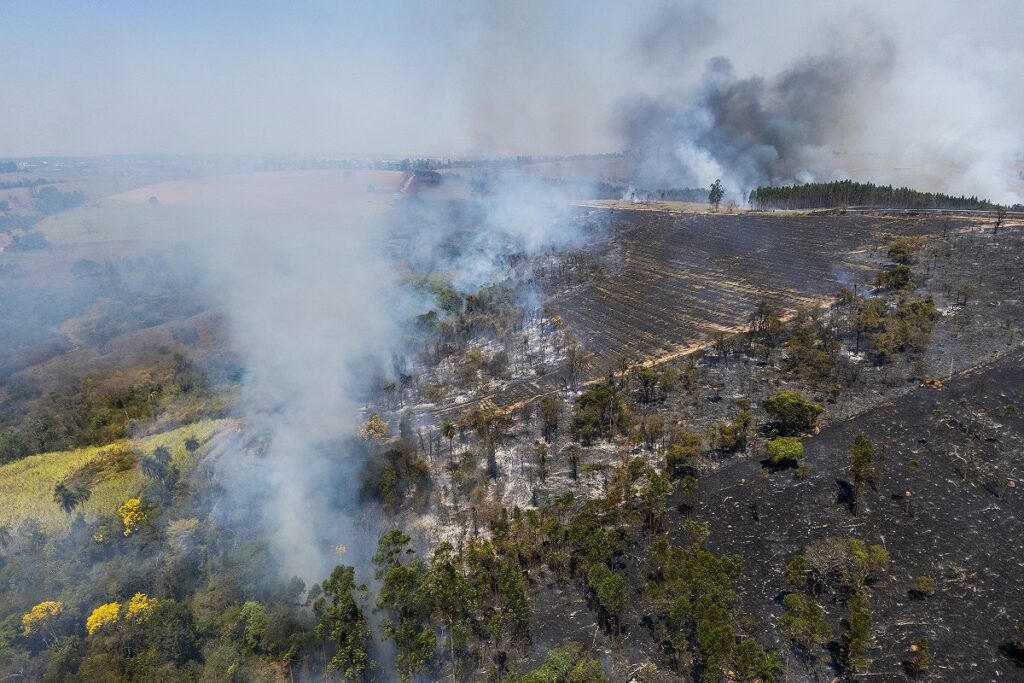
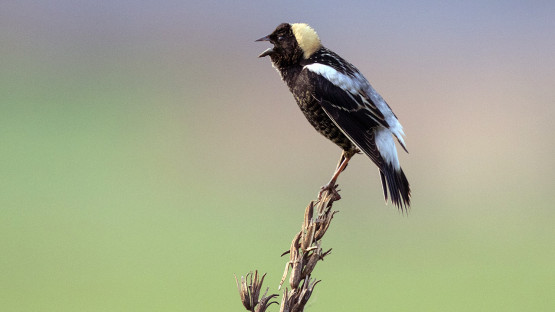
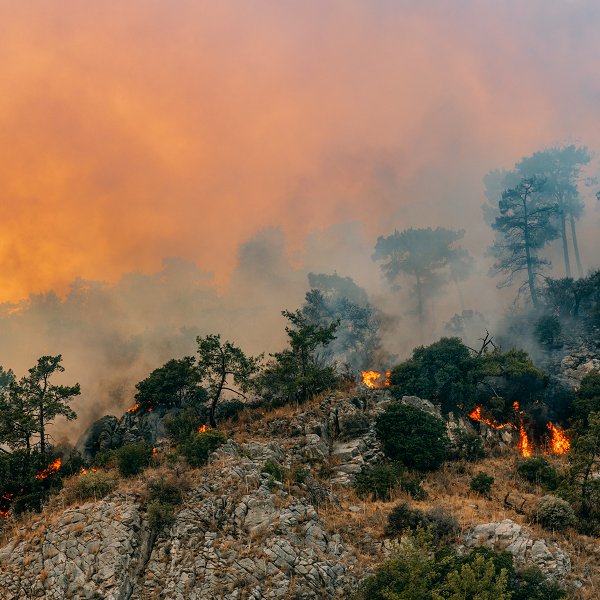
As fire regimes shift, all living things are increasingly exposed to hazardous smoke. Wildfire smoke is already a known risk to public health, and in particular wildland firefighter health, and emerging evidence suggests that smoke exposure also compromises the health and well-being of domestic and wild animals. Smoke may even help spread pathogens, representing a long-distance disease vector that remains poorly understood. Beyond health, wildfire smoke disrupts labor, ecosystem services, recreation, agriculture, livestock, and even power generation and transmission.
We anticipate that wildfire smoke will be one of the most impactful One Health research areas of the 21st century, reshaping our knowledge of the connections between land, sea, and sky. Our Wildfire Smoke & One Health collaborators are tackling this topic head on by launching novel research initiatives and training the next generation of wildfire smoke researchers to increase our nation’s preparedness. We collaborate to leverage interdisciplinary expertise on wildfire smoke and One Health to make our communities healthier and safer in the face of the emerging, uncertain threat of wildfire smoke.