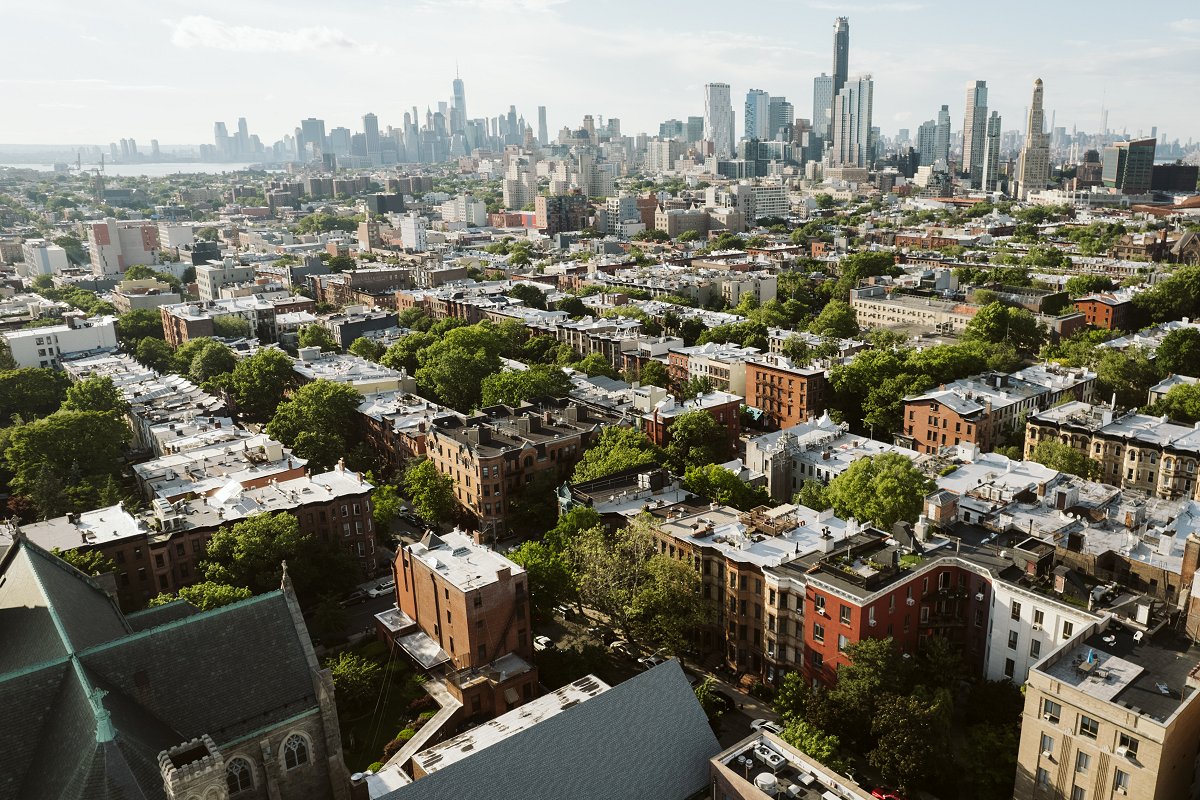
2025: Untangling the Causes of Tree Mortality with Remote Sensing to Increase Urban Climate Resilience (TNC)
Trees cool cities, reducing heat-related disease and death. A growing recognition of trees’ benefits to public health and climate resilience has prompted cities around the world to set ambitious targets for tree canopy coverage. Achieving these goals will require protection and care of existing trees, and planting of new ones in ways that maximize their growth and long-term survival. Current field-based strategies to assess tree health and the causes of mortality are labor-intensive, which limits their usage at larger scales. Emerging remote-sensing technologies could better quantify tree mortality and its causes affordably across large areas. This project — a collaborative effort between scientists at Cornell University and the Nature Conservancy — will create comprehensive models of tree mortality across New York City by combining several complementary remote sensing-derived datasets that the researchers have developed. The work will address knowledge gaps and inform policies in urban planning and forestry to enhance the health of trees and therefore people.
Cornell: Daniel Katz (Cornell CALS/School of Integrative Plant Science)
TNC: Michael Treglia